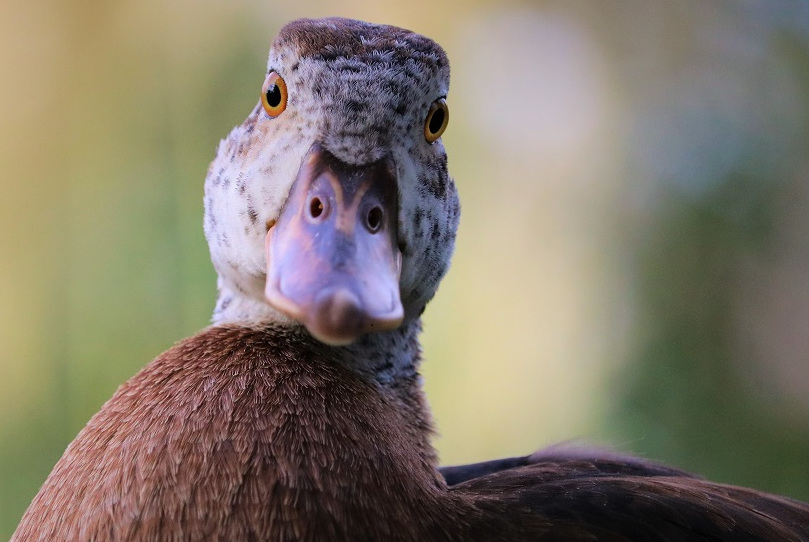
Wetland restoration and reintroduction of marbled ducks
Nearly 90% of the world’s wetlands have been degraded since the 1700s, and we are losing wetlands three times faster than forests. Yet, wetlands are critically important ecosystems that contribute to biodiversity, climate mitigation and adaptation, freshwater availability, world economies and more.
𝗢𝗻𝗲 𝗼𝗳 𝗘𝘂𝗿𝗼𝗽𝗲'𝘀 𝘁𝗵𝗿𝗲𝗮𝘁𝗲𝗻𝗲𝗱 𝘄𝗮𝘁𝗲𝗿𝗳𝗼𝘄𝗹 𝘀𝗽𝗲𝗰𝗶𝗲𝘀, 𝘁𝗵𝗲 𝗠𝗮𝗿𝗯𝗹𝗲𝗱 𝗱𝘂𝗰𝗸, 𝘄𝗮𝘀 𝗼𝗻 𝘁𝗵𝗲 𝗯𝗿𝗶𝗻𝗸 𝗼𝗳 𝗲𝘅𝘁𝗶𝗻𝗰𝘁𝗶𝗼𝗻 𝗯𝗲𝗰𝗮𝘂𝘀𝗲 𝗼𝗳 𝘄𝗲𝘁𝗹𝗮𝗻𝗱𝘀 𝗱𝗲𝗴𝗿𝗮𝗱𝗮𝘁𝗶𝗼𝗻. Less than 2 decades ago, the future was looking bleak for the Marbled duck. Once plentiful across the Mediterranean basin, in 2009 the species was down to just 20 breeding pairs in Spain, with extinction being a very real possibility.
𝗙𝗮𝘀𝘁 𝗳𝗼𝗿𝘄𝗮𝗿𝗱 𝘁𝗼 𝟮𝟬𝟮𝟲, 𝗘𝘂𝗿𝗼𝗽𝗲’𝘀 𝗺𝗼𝘀𝘁 𝗲𝗻𝗱𝗮𝗻𝗴𝗲𝗿𝗲𝗱 𝗱𝘂𝗰𝗸 𝗶𝘀 𝗺𝗮𝗸𝗶𝗻𝗴 𝗮 𝗰𝗼𝗺𝗲𝗯𝗮𝗰𝗸, 𝘄𝗶𝘁𝗵 𝟭𝟯𝟭 𝗯𝗿𝗲𝗲𝗱𝗶𝗻𝗴 𝗽𝗮𝗶𝗿𝘀 𝗿𝗲𝗰𝗼𝗿𝗱𝗲𝗱 𝗹𝗮𝘀𝘁 𝘆𝗲𝗮𝗿. The species received a major boost in 2024 when the LIFE project responsible for this remarkable success story — LIFE Cerceta Pardilla — acquired the 90 ha La Raja rural plot located within the Natura 2000 El Hondo Nature Reserve and added it to 2 other plots bought earlier in the project.
Together, the 3 rural plots include more than 141 ha of wetlands, which are essential breeding grounds for the Marbled duck, as well as for other endangered species, including the White-headed duck, Western swamp hen, Pied avocet, Common tern, Little tern and Black-haired owl. Altogether so far, LIFE Cerceta Pardilla has restored more than 2,300 ha of habitat suitable for the target species, 𝗻𝗲𝗮𝗿𝗹𝘆 𝟯,𝟬𝟬𝟬 𝗰𝗮𝗽𝘁𝗶𝘃𝗲-𝗯𝗿𝗲𝗱 𝗠𝗮𝗿𝗯𝗹𝗲𝗱 𝗱𝘂𝗰𝗸𝘀 (from Reserva Aves Cañada de los Pájaros) have been released into the wild and 13 'Land Stewardship agreements' have been signed with local land owners.
More details on LIFE Cerceta Pardilla can be read here.
World Wetlands Day marks the anniversary of The Convention on Wetlands, which was adopted as an international treaty in 1971.
Today also marks the start of EAZA's Wetlands For Life campaign; To employ the expertise, experience, reach and passion to fundraise, educate, empower, and inspire action for protection, restoration and creation of wetlands with all their biodiversity.